Welcome to Room2Breathe
Michelle Ksher
Counsellor
Hi, my name is Michelle and welcome to my website.
Do you ever feel you’re not good enough, or that everything is just getting too much? If anxiety or worries are disrupting your life; I can help you. We can look at what is causing these feelings in a confidential, non-judgmental therapeutic way. I work in an integrative way which means I match my skills to what suits you, such as talking therapy or this could involve using creative methods or breath work to support managing your anxiety. Don’t worry if this doesn't appeal and you just want someone to talk to, my focus will be on how you want to work, supporting you through what is causing distress.
What do I offer?
I offer an initial free, no obligation, phone call before we agree to work together. It’s important for you to feel comfortable with me as your choice of counsellor.
This is an opportunity to talk about what has brought you to counselling and for you to get a sense of me and how we might work together.
This is also a chance to ask any questions you might have and for us to talk about how counselling works, for example, what client confidentiality is and what it means for you.
I offer one to one short- and long-term counselling sessions, online or face-to-face in Biggleswade, Bedfordshire. If you would like to see if we can work together, get in touch for a free introduction telephone call to explore if I am the right counsellor for you.
Please contact me if you’d like to arrange this.
A little bit about me and my practice
I'm a registered member of the British Association of Psychotherapists and Counsellors, I took the scenic route to becoming a counsellor and have loved my training, working for MIND as a volunteer counsellor. I have always worked within the caring profession, covering everything from nursey nurse to elderly care, I worked a large portion of my career with the disabled community in supported living provisions, and feel passionate about supporting the LGBTQ+ community.
I have experience in working with attachment issues, fear of the future and death, gender identity, family dysfunction and neurodiversity and the challenges this can raise in navigating a neurotypical world. I have worked with many people suffering from anxiety, a particular interest and strength of mine. I offer support for a range of personal, emotional and wellbeing concerns
I work with the person not the diagnosis.
Sessions are weekly and last 50 minutes, at an agreed time and place usually the same day each week.
Pricing: £55 per session.
Qualifications and Training
Level 4 Diploma in Therapeutic counselling
Certificate in Online and Telephone Counselling
Working with children and young people
Training in Anxiety
Safeguarding and Prevent
Enhanced DBS
Working within a diverse society
Neurodiversity training
Autism awareness
Self harm and risky behaviours
Working with sexual abuse
Adverse childhood experiences
Trauma the brain and recovery
Level 3 person centre counselling
Level 2 counselling skills

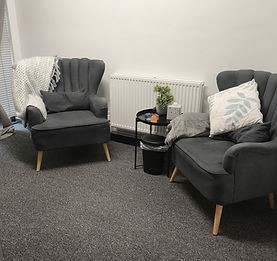
Therapy room in Biggleswade

So much more than talking
Contact me
Email: counsellingwithmichelle@outlook.com
I aim to reply to enquiries within 2 days.
please check your junk folder.
If you provided a mobile number I will follow up with a text

Thank you for visiting my website I look forward to hearing from you
Policy list
Data Protection Complaints Procedure
DATA PROTECTION COMPLAINTS If you have a concern about how I handle your personal information, I want to hear from you. How to raise a concern You can contact me by email: cousellingwithmichelle@outlook.com phone: : 07832771436.
Please describe your concern as clearly as you can, and include any relevant dates or details. What happens next If you remain dissatisfied I will acknowledge your complaint within 30 days of receiving it. I will then look into your concern and respond to you without undue delay. If you are not satisfied with my response, you have the right to make a complaint to the Information Commissioner’s Office (ICO) at ico.org.uk or by calling 0303 123 1113
Counselling Practice Complaints Procedure
This policy explains how you can raise a concern or complaint about any aspect of my counselling service, including how your personal information is handled. I aim to offer a safe, respectful and professional service, and I welcome the opportunity to address any concerns.
-
How to Make a Complaint
You can raise a complaint in any way that feels comfortable for you. You may contact me by:
Email: counsellingwithmichelle@outlook.com
Phone: 07832771436
If you prefer, you can request a short call to talk through your concern before deciding whether to make a formal complaint.
-
What You Can Complain About
You can make a complaint about:
The quality or professionalism of the counselling service
My conduct or behaviour
How I communicate with you
-
How Your Complaint Will Be Handled
When you make a complaint, I will:
Acknowledge your complaint within 30 days
Investigate it without undue delay
Keep you informed of progress
Provide a clear written or verbal outcome as soon as possible
I will treat your complaint with respect, fairness and confidentiality. Raising a complaint will not affect your access to counselling.
If a complaint is made via social media, I will guide you to a private and secure channel so we can discuss it safely.
-
If You Are Not Satisfied With the Outcome
Escalating a Complaint to BACP
If you feel your complaint has not been resolved, you can raise it with my professional body, the British Association for Counselling and Psychotherapy (BACP).
BACP investigates concerns about ethical practice, professional conduct, and breaches of the Ethical Framework.
You can find their complaints process here:
https://www.bacp.co.uk/about-us/protecting-the-public/professional-conduct/complaints-procedure/
-
Record Keeping
I keep a brief record of complaints, how they were handled, and the outcome. These records are stored securely and separately from clinical notes.
-
Review of This Policy
This policy is reviewed annually or sooner if required by changes in law or professional standards.
AI use
Permitted Use of Artificial Intelligence (AI)
Artificial Intelligence (AI) may be used to support administrative, educational, and business functions within the practice. Appropriate uses include:
-
Drafting and reviewing policies, procedures, and practice documentation.
-
Creating training and educational materials.
-
Proofreading and improving written content.
-
Providing administrative support, such as drafting correspondence.
-
Brainstorming ideas and developing resources.
-
Creating general information and website content that is not based on individual client information.
AI is not used to make clinical decisions or replace professional judgement. Any content or material generated with AI is carefully reviewed, edited, and approved by the practitioner before it is published or used. No identifiable client information is entered into AI systems.
Safeguarding Policy
Purpose
This policy outlines the safeguarding responsibilities and procedures of Room2Breathe to protect children, young people, and adults who may be at risk of abuse or neglect.
The practice is committed to promoting the welfare of all clients and responding appropriately where there are concerns about their safety or the safety of others.
Scope
This policy applies to all counselling services provided by Room2Breathe including:
Adults (18 years and over)
Young people aged 13–17 years
Face-to-face counselling
Online and telephone counselling
Principles
The practice is committed to:
Providing a safe, respectful and confidential therapeutic environment.
Recognising signs of abuse, neglect and exploitation.
Acting promptly where there is reasonable concern that a client or another person may be at risk of significant harm.
Working within current UK safeguarding legislation and professional ethical standards.
Balancing confidentiality with the duty to protect individuals from serious harm.
Confidentiality and Safeguarding
Confidentiality is fundamental to counselling; however, it is not absolute.
Information may be shared without a client's consent where there is reasonable belief that:
A child or young person is suffering or is at risk of significant harm.
An adult with care and support needs is experiencing or is at risk of abuse or neglect.
There is a serious risk that the client may harm themselves.
There is a serious risk of harm to another identifiable person.
Disclosure is required by law or court order.
Where appropriate and safe to do so, concerns will be discussed with the client before information is shared.
Recognising Abuse
Safeguarding concerns may include:
Physical abuse
Emotional or psychological abuse
Sexual abuse
Neglect
Domestic abuse
Financial abuse
Coercive or controlling behaviour
Online abuse
Criminal or sexual exploitation
Modern slavery
Self-neglect (particularly in adults)
Radicalisation or extremism
Safeguarding Young People (13–17)
Where concerns arise regarding a young person's welfare, the counsellor will:
Assess the level of risk.
Record concerns accurately and promptly.
Consult with clinical supervision where appropriate.
Contact Children's Social Care where there is reasonable cause to believe the young person is at risk of significant harm.
Contact emergency services if there is an immediate risk to life.
Parents or carers will usually be informed unless doing so would increase the risk to the young person.
Safeguarding Adults
Where concerns arise about an adult who has care and support needs and is unable to protect themselves, the counsellor will:
Assess the immediate level of risk.
Encourage the client to seek support where appropriate.
Share information with Adult Social Care if there is a safeguarding concern.
Contact emergency services where immediate protection is required.
Adults with mental capacity retain the right to make decisions about their own lives unless legal or safeguarding duties require otherwise.
Responding to Disclosures
If a client discloses abuse, the counsellor will:
Listen calmly and without judgement.
Avoid asking leading questions.
Reassure the client they have been heard.
Explain the limits of confidentiality.
Make a factual written record as soon as possible.
Seek consultation where appropriate.
Make safeguarding referrals where required.
Record Keeping
Safeguarding records will:
Be factual and accurate.
Include dates, times and actions taken.
Be stored securely in accordance with UK data protection legislation.
Be retained in line with the practice's data retention policy.
Information Sharing
Information will only be shared:
On a need-to-know basis.
With relevant safeguarding agencies or emergency services.
In accordance with UK data protection legislation and professional guidance.
Emergency Situations
If there is an immediate risk of serious harm:
Call 999.
Contact the relevant safeguarding authority where appropriate.
Record all actions taken.
Professional Responsibilities
The counsellor will:
Maintain appropriate safeguarding knowledge through regular continuing professional development.
Attend regular clinical supervision.
Work within their professional ethical framework.
Maintain professional indemnity insurance.
Keep this policy under annual review.
Local Safeguarding Contacts (Bedfordshire)
Where safeguarding concerns arise, referrals may be made to the appropriate local authority safeguarding teams or emergency services.
Emergency:
Police, Fire and Ambulance – 999
Non-emergency Police:
101
Children's Services:
Bedford Borough Children's Services
Central Bedfordshire Children's Services
Luton Children's Services (where appropriate)
Adult Safeguarding:
Bedford Borough Adult Social Care
Central Bedfordshire Adult Social Care
Luton Adult Social Care (where appropriate)
Review
This policy will be reviewed annually or sooner if legislation, safeguarding guidance or professional requirements change.


